Planning · Ashton Keynes anaerobic digester
Standing up for
the Cotswold Lakes.
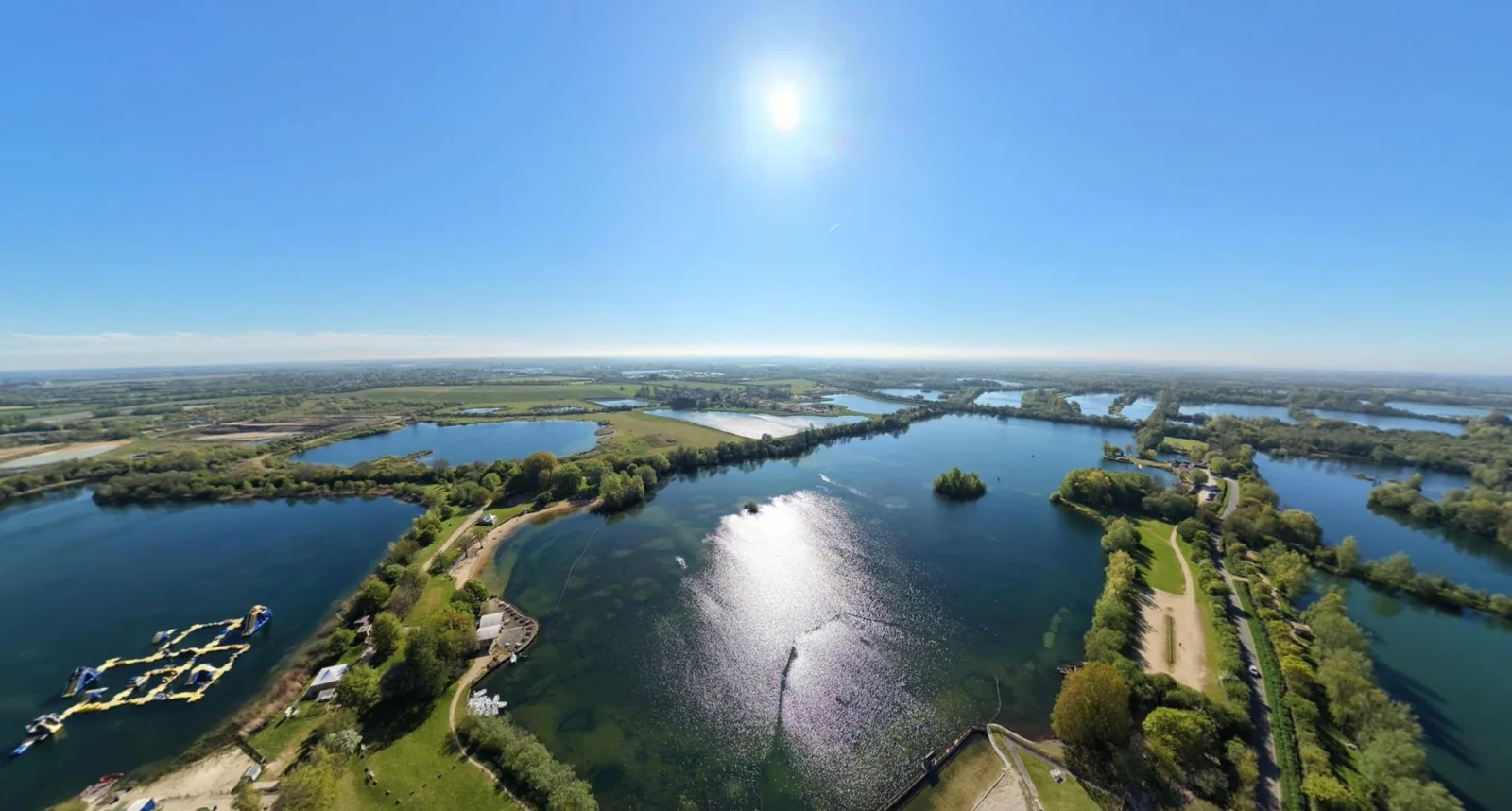
A company wants to build an industrial-scale biogas plant among the Cotswold Lakes, just over the county boundary from Somerford Keynes. In July 2026 Wiltshire's planning committee refused it. An appeal is expected, and we are getting ready for it.
On this page
Where things standWhat was proposedWhy it matters hereWhat I didThe resultWhat happens nextWhere I standSourcesWhere things stand
18 November 2026
The application has been refused. The applicant has until 16 January 2027 to appeal to the Planning Inspectorate, and we expect it to. Protect the Lakes has commissioned its first consultants and is raising money so the community's evidence is ready.
14 July 2026
Wiltshire Council's Strategic Planning Committee voted to refuse the application by seven votes to four, against its officers' recommendation. I was one of the people who spoke against it. The council's decision is dated 16 July.
What was proposed
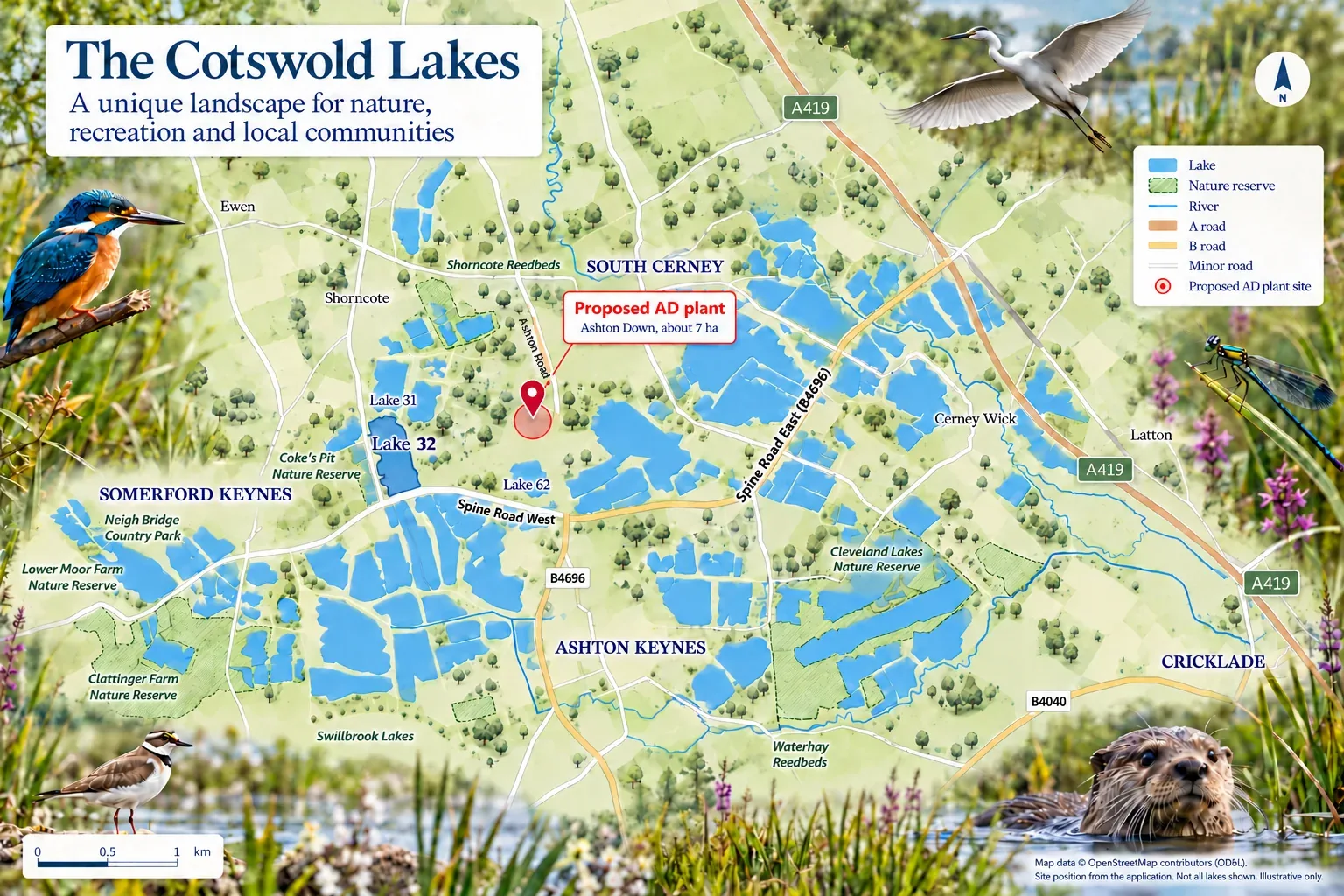
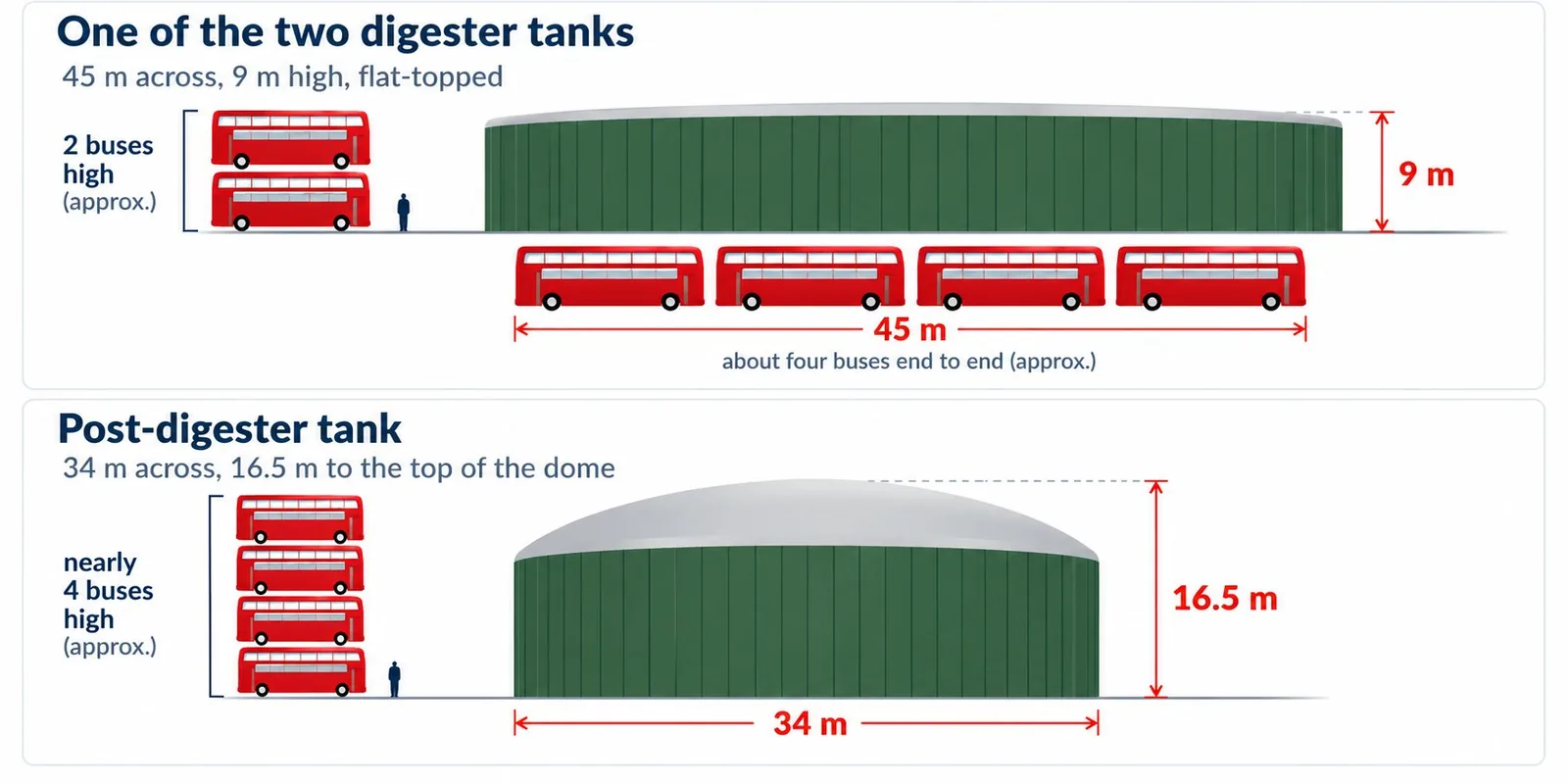
Acorn Bioenergy applied to Wiltshire Council (application PL/2023/03359) to build an anaerobic digestion plant on about seven hectares of Ashton Down, west of Ashton Road, between Ashton Keynes and South Cerney. The figures below are the applicant's own, as set out by Protect the Lakes.
There is no gas grid connection at the site, so the gas would leave by road tanker. Construction was expected to take about 70 weeks, with around 7,300 lorry deliveries.
Why it matters here
The site is in Wiltshire, so Wiltshire Council decides. But it sits right on the Gloucestershire border in the middle of the Cotswold Lakes, and much of the effect would be felt on our side: in Somerford Keynes and Shorncote, and on the roads through Kemble and Ewen.
- Traffic. Much of the lorry and tractor traffic would use Gloucestershire roads and the narrow lanes around the lakes, which residents, walkers, cyclists and visitors already share. In May 2026 Gloucestershire County Council, as the neighbouring highway authority, lodged a holding objection and recommended refusal unless more transport evidence was provided.
- Water. The site lies in a groundwater protection zone. The applicant's own flood risk assessment found groundwater close to the surface, with a ditch giving a route towards protected lakes.
- Landscape and the visitor economy. The lakes cover about 42 square miles and draw an estimated million visitors a year. A plant of this size on a hillside above them would change that setting.
- Noise, light and smell from a site running day and night, close to homes and a primary school.
What I did
This was a team effort, and most of the credit belongs to the residents, parish councils and local businesses who did the detailed work. My part was to make sure the Gloucestershire side of the story was heard by a council that does not represent us.
- I worked with Somerford Keynes Parish Council, neighbouring parish councils, residents, businesses and technical objectors on a single consolidated objection and a four-page summary for the committee.
- I helped set out the cross-boundary case on traffic, groundwater, landscape and the visitor economy, so the committee could see what the plant would mean on the Gloucestershire side.
- I spoke against the application at Wiltshire's Strategic Planning Committee in July 2026, as one of a group of speakers.
- I am a member of Protect the Lakes, the community group now preparing for the appeal.
The result
The committee refused the application. Wiltshire Council's decision gives three reasons:
- Landscape. Significant harm to the locally valued Cotswold Water Park landscape, from an industrial development in a prominent rural location.
- Traffic. The applicant had not provided a sufficiently robust transport assessment, including for the wider road network across the Gloucestershire boundary.
- Skylarks. The legal agreement for replacement skylark habitat had not been completed.
By May 2026 the application had drawn more than 1,700 objections. The refusal is a dated decision, not the end of the matter.
What happens next
The applicant has six months from the decision, until 16 January 2027, to appeal to the Planning Inspectorate. If it does, an independent inspector will decide the case afresh.
Protect the Lakes is preparing now so that the community's evidence on traffic, groundwater, landscape and the visitor economy is in front of the inspector whichever way the appeal is run. If there is a public inquiry, the group will ask to take part formally. It estimates it may need to raise up to £100,000 for expert evidence and has the support of Ashton Keynes, South Cerney and Somerford Keynes parish councils.
Support the campaign at protectthelakes.com
I will keep working with the group, the parish councils and neighbouring councillors, and I will update this page when the position changes.
Where I stand on renewable energy
I hold the council's climate portfolio and I support renewable energy and low-carbon infrastructure where it is sustainable and in the right place. Anaerobic digestion can be part of that. My objection here is to this site: the scale, the location, the traffic, the groundwater risk and the difficulty of enforcing any conditions make it the wrong place for an industrial plant.
Sources
- Protect the Lakes ↗, for the application figures, the reasons for refusal and the appeal position, checked 18 November 2026
- Wiltshire Council planning application record, PL/2023/03359 ↗
- My June, July and September 2026 ward reports and 2025/26 annual report, for my own involvement, the committee vote and the number of objections
Written by Mike McKeown. This is my own account and view, not an official statement from Cotswold District Council or from Protect the Lakes.